

In the booming world of red light therapy and infrared devices, it’s easy to get overwhelmed by marketing claims. Some brands promote five or more wavelengths in a single panel. Others focus on just two: 660nm and 850nm. So what’s the deal? Are more wavelengths better? Or is simpler actually smarter?
If you’re after results backed by science—not hype—660nm and 850nm are the two numbers you need to know. These wavelengths form the foundation of effective red light therapy and are supported by the vast majority of clinical research.
This article will break down why these two wavelengths are considered the gold standard and why adding extra wavelengths may not offer added benefits—in fact, it could dilute the effectiveness of your treatment.
Red Light vs. Infrared: What’s the Difference?
Red light therapy and infrared therapy work by using specific wavelengths of natural light to trigger beneficial biological effects. Red light sits between 620–700nm on the light spectrum. Infrared, also known as near-infrared (NIR), ranges from about 700–1100nm.
The key difference between the two lies in how deeply they penetrate the body. Red light at 660nm primarily affects the skin and surface tissues, while near-infrared at 850nm can reach deeper tissues like muscles and joints.
This combination is often referred to as the “therapeutic window” because it strikes the perfect balance between depth and absorption.
660nm Red Light: Skin-Deep Benefits That Make a Difference
Red light at 660nm is best absorbed by the outer layers of the skin. It’s widely studied for its effects on surface-level concerns and cosmetic improvements.
Some of the main benefits include:
Increased collagen production
Reduced wrinkles and fine lines
Accelerated wound healing
Improved skin tone and texture
Reduction in acne and inflammation
These effects are largely due to the stimulation of mitochondria in skin cells, which increases ATP production—your body’s energy currency. More energy means faster healing and better cellular performance.

850nm Infrared: Going Deeper Where It Counts
Infrared light at 850nm goes much deeper than 660nm—reaching muscles, joints, and even bones. It’s a favorite among athletes and those with chronic pain for good reason.
Here are some of the key benefits associated with 850nm near-infrared therapy:
Enhanced muscle recovery
Reduced joint inflammation
Improved circulation
Pain relief for arthritis and back pain
Boosted performance and endurance
This wavelength is absorbed by the water and protein content within cells, triggering deep-tissue effects that complement the skin-level work of 660nm red light.
Why Adding More Wavelengths Can Actually Dilute the Effectiveness
Some brands market panels with three, five, or even seven wavelengths—suggesting that a broader spectrum offers broader benefits. On the surface, that makes sense. But in practice, it can cause two main problems.
First, there’s limited clinical research on most of the other wavelengths outside of 660nm and 850nm. Wavelengths like 630nm, 810nm, 920nm, or 940nm are often included in multi-wave panels, but there’s little to no published research validating their specific effects in humans.
Second, power output becomes divided across all wavelengths in a multi-wave panel. Instead of delivering strong, focused irradiance at 660nm and 850nm—where the real benefits happen—the panel spreads power thinly across less-proven wavelengths. The result? Less intensity and slower results.
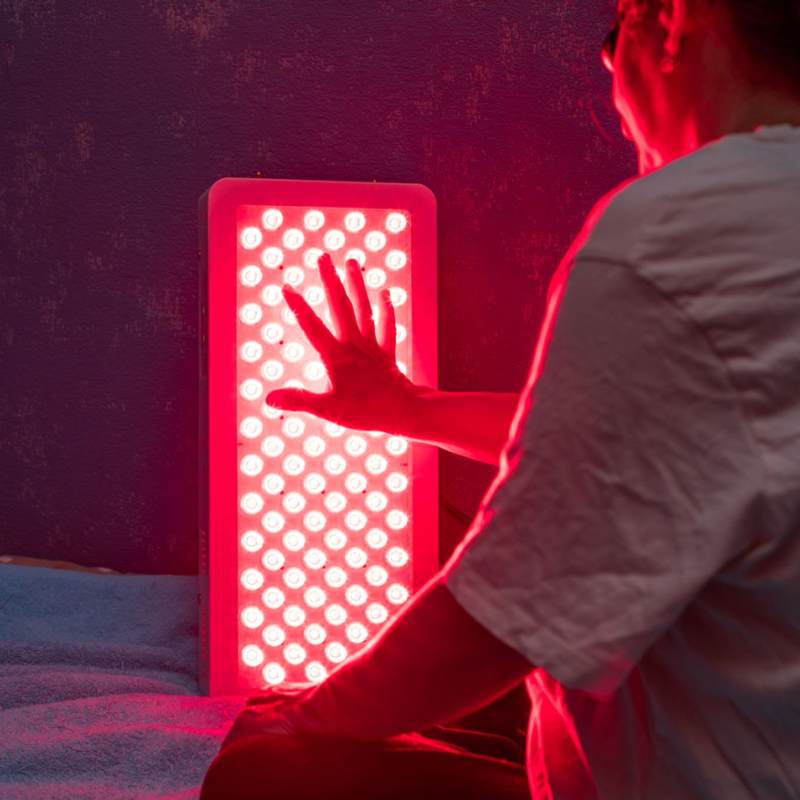
Clinical Evidence Favors 660nm and 850nm
When you dig into the science, you’ll notice a pattern: nearly every well-designed clinical study on red light therapy uses either 660nm, 850nm, or both. This includes studies on:
Wound healing and skin rejuvenation
Muscle recovery in athletes
Pain management for arthritis
Cognitive performance and mood
Hair regrowth and thyroid function
For example, a study published in the Journal of Clinical and Aesthetic Dermatology used 660nm red light to reduce wrinkles and improve skin smoothness. Another published in Lasers in Surgery and Medicine found that 850nm light helped reduce inflammation and pain in patients with knee osteoarthritis.
These wavelengths weren’t chosen randomly—they’re used because they work.
Are There Any Real Benefits to Extra Wavelengths?
The only time additional wavelengths might be useful is in clinical or lab-specific scenarios, where a precise light-tissue interaction is needed. For most people using red light therapy at home—whether for skin health, performance, or recovery—those other wavelengths just don’t have the same level of evidence or consistency in results.
Plus, adding multiple wavelengths can confuse the body’s photoreceptors, reduce overall irradiance, and make treatments less predictable. Sticking with 660nm and 850nm ensures you’re giving your cells the most efficient, targeted light they can use.
The Simplicity Advantage
Devices that use just 660nm and 850nm often outperform flashier multi-wave panels for one simple reason: they deliver more light exactly where it counts. These wavelengths don’t compete with each other. They complement each other.
Think of it like a perfectly tuned two-piece band—tight, efficient, and focused—versus a chaotic orchestra where half the instruments aren’t needed.
More isn’t always better. Smarter is better.
What to Look for in a Red Light Therapy Panel
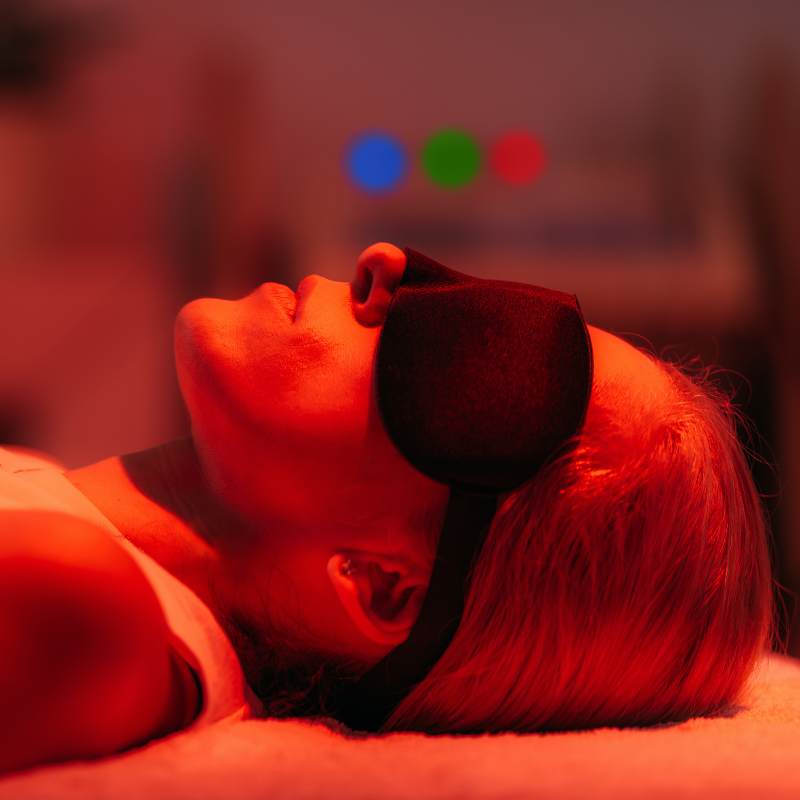
If you’re considering a red light therapy panel, here are a few things to keep in mind:
Stick to 660nm and 850nm if you want science-backed results
Check that irradiance (light power) is high enough for effective treatment (ideally 100mW/cm²+ at 6 inches)
Look for certifications like FDA registration or EESS compliance if you’re in Australia
Choose panels with adjustable settings and durable materials like aluminium
Make sure the panel is flicker-free and low EMF
One example of a panel built for serious results is our Red Light & Infrared Therapy ProPlus 300, which delivers clinical-grade light output at both 660nm and 850nm—with no unnecessary extras.
Infrared and Red Light Therapy Work Best When Kept Simple
At the end of the day, red light therapy and infrared don’t need to be complicated. The body responds best when it’s given the right signal at the right strength.
660nm and 850nm are that signal. They’ve stood the test of time in research, clinical trials, and real-world use. More wavelengths might sound fancy, but they’re rarely necessary—and often counterproductive.
If you’re investing in a red light therapy device, look past the marketing fluff. Focus on what the research supports. Keep it simple. Keep it strong. Stick with what works.
Want to Learn More?
We’ve written extensively about the benefits of light therapy. Check out our other blogs:
The Benefits of Red Light Therapy and Infrared: A Comprehensive Guide to Better Health
Red Light Therapy & Infrared: Illuminating Health and Wellness
And if you’re still unsure whether red light therapy is for you, explore the science further through this PubMed article on photobiomodulation.