




Great product, stops the eyes getting sore and a good nights sleep.
Extremely quick delivery and the product is great quality.
Fast delivery, great glasses
No more inflammation!!
Ordering made easy! Easy to navigate website & prompt delivery. Goods are packaged well & are as advertised. Ordered bed sheet; and it’s been a full week with absolutely heavenly deep deep sleeps, inflammation reduced dramatically, waking more alert and no dragging my feet to get out of bed. Hubby twisted his ankle the day before it arrived & I did a plantar plate tear on my foot, both of us have experienced super fast recoveries. I believe our healing was expedited due to the reduced swelling aided by our Urban Hippee magic. Thank You 🙂
The order come especially quickly and my mistake on the order was very quickly reviewed and changed by the staff.
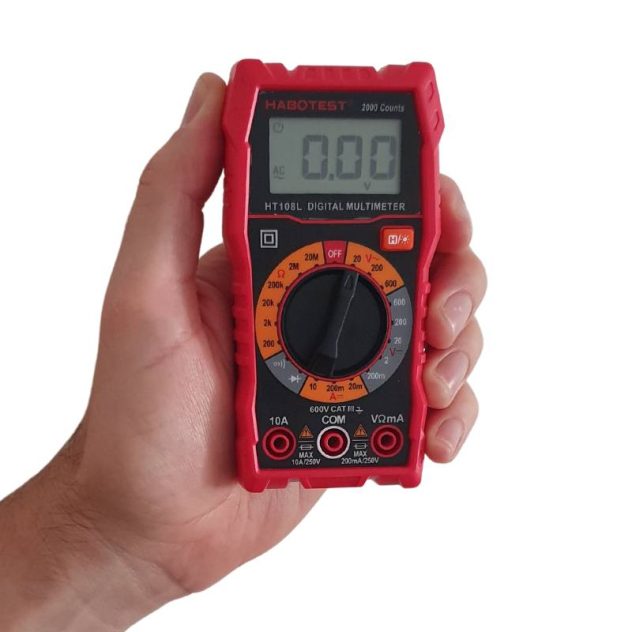
Excellent support. questions answered promptly. Works well. Instructions easy to understand. I wanted the Multimeter to test grounding sheets as I have no idea if the sheets are working.
Excellent customer service and timely delivery. Would happily recommend to others and to use again.
Early days, but it does seem to benefit me. I feel refreshed after a sleep
Product works well. I use it when watching TV for an hour or two before I go to bed.
Hassle free!
After doing my research (over different sites) l found this product that suited all my needs…good price and delivered promptly and in perfect condition. Now my family and I can get the benefits of red and infrared healing.
Works well a few hours before sleeping and the box is quite neat with high-quality materials. Thanks.
I gave my partner this product to try and he says his sleep is definitely improved.
I wanted to give myself 1 week to see the difference and I am impressed. By 10pm at night when I’m relaxing in bed looking at my phone, my eyes get sleepy which never happens that early, so it definitely relaxes me. I don’t wake up as much going to the toilet and my sleep feels more of a deep sleep. Pretty impressed. Will be recommending to everyone.
Fantastic product!
This is my third purchase from Urban Hippee. Great products and prompt delivery. Thank you!
Prompt delivery.
Excellent/ prompt replies from the Support staff.
Very helpful.
Ordered it from regional QLD and it was delivered in 48 hours. I’m actually sleeping better for the first time in years, thank you so much.
It was so easy to order.
Like many others, I came across grounding/earthing products while researching ways to improve our sleep and manage everyday aches and pains. With the 120-day money-back guarantee, we thought we had nothing to lose by giving it a try.
Shipping was lightning fast, and honestly, we noticed a difference from the very first night. We woke feeling more rested and with noticeably less pain.
It’s now been over four weeks, and we are sleeping soundly, waking refreshed and feeling so much better.
The biggest difference has been for our eldest son, who has severe scoliosis associated with Sotos Syndrome and has lived with significant pain. To our amazement, he is now sleeping soundly and waking feeling refreshed and, most importantly, pain-free.
We genuinely didn’t expect such a noticeable difference. We’re incredibly grateful we decided to give it a try and couldn’t be happier with our purchase.❤️
This grounding/earthing sheet has dramatically improved the quality of our sleep. We are both sleeping more deeply and falling asleep more easily. To top it off, my problem shoulder is no longer waking me up with pain! It could be reduced inflammation or deeper sleep. Either way – fabulous! We run a phsyio clinic and are now recommending and purchasing these for our patients. Can’t recommend this product highly enough.
Sarah is all over it. Great services through and through! Terrific for using the computer and under led lights.
Just love the mask
It feels so beautiful
Covers my eyes well and doesn’t allow any light in
Great service. Arrived quickly. I have only had it for a week but the effects are positive.
Amazing communication and products. I recommend this family run company to anyone.
TRIALING
Very efficient and quick delivery. Still testing to see if it is helping my sleep pattern and joints.
I have mainly been using our grounding underlay sheet and used the mat a few times. This is only because of convenience. As my underlay sheet works very well for me. I have no hesitation in giving this 5 stars as it is the same simply smaller. It came on time and included everything advertised. Thank you again to this team.
As described and expected. All went well. Thank you. This has been going surprisingly well. Tensions in my back have ben much less if any most of the time now since I started using this special underlay sheet back in June this year ( 2026). My husband has not complained of back pain either. The fact that it is underneath our normal bed sheet is advantageous as not needed to wash it yet. I am grateful to have found this as it works for me. I have not needed a whole body massage since then. I will still get one eventually, but simply because they are great for the body and mind in general and not to relieve pain. Everything mentioned was included and delivered within the expected timeframe. Thank you infinitely to the Urban hippie team.
quick delivery, and package well packed. Product is being used by my wife.she has had a few mixed results,but the majority have been quite good.
Good communication very helpful and quick response. Love it l feel in working on my feet so glad l did buy my Grounding Mat.


Fast delivery.
Simple concept to install
My first nice was bliss. The 2nd night even better and continues to give me better and contented sleep.
Found the grounding sheet that good that I purchased them for my mum and sister
Great service and the meter is awesome to use, will pay it forward and recommend Urban Hippie.
Very easy to deal with Quick response to my query. Gets a bit scrunched up.
Very quick delivery. Seems to be exactly what we needed
Easy to deal with great information on the product, great product and fast delivery.
Parcel arrived within 3days and was neatly presented with full instructions. After 2 days my sinus improved, after 4 I slept through, my arthritis pain has reduced and the hot flushes are shorter. Yes give it a try.
I am pleased with the service l have received and the communication to my questions it’s a bit too soon for a review as l have only just received my Grounding Mat definitely looking forward to eventually giving you one in the future.
Thank you 😊
Great products and service.
The red light crystal lens glasses are wonderful. Great fit. I love the book light. I now have three. The amber and red blend is heaven. I feel like I’m at a warm beach at sunset. They ship very quickly too. Also they helped with a query promptly too.
I purchased the dusk blue light premium red lens glasses and have been blown away by the results! These have helped me become tired naturally at night, fall asleep quickly and stay asleep. My dreams have also returned. I couldn’t believe how much blue light I was constantly exposed to until I started wearing these. There are cheaper versions on the market but these are the real deal, I highly recommend!
trying out this product.my wife has been using the mat the past week, cannot give a result as yet, she was happy with the shipping and cost of the mat. thanks
Reasonably quick delivery and the product works
Helpful contact. Fast delivery.
Great goggles. Very good at blocking the light.
Easy to fit and clean. My sleep quality is good as I am waking up the next morning feeling refreshed and energised.
My old body aches has not changed. But it is still early days as I have been using the sheet for only 5 days.
The delivery was super quick! Amazing!
Used for a couple weeks now. Not sure if it is doing anything. But the product seems well made. The packaging it arrived in was very nice. The shipping was fast. I will use the pillow case and hopefully it helps me.