

Grounding, also known as earthing, simply means connecting your body to the Earth.
Outdoors, this can happen when you walk barefoot on grass, soil or sand.
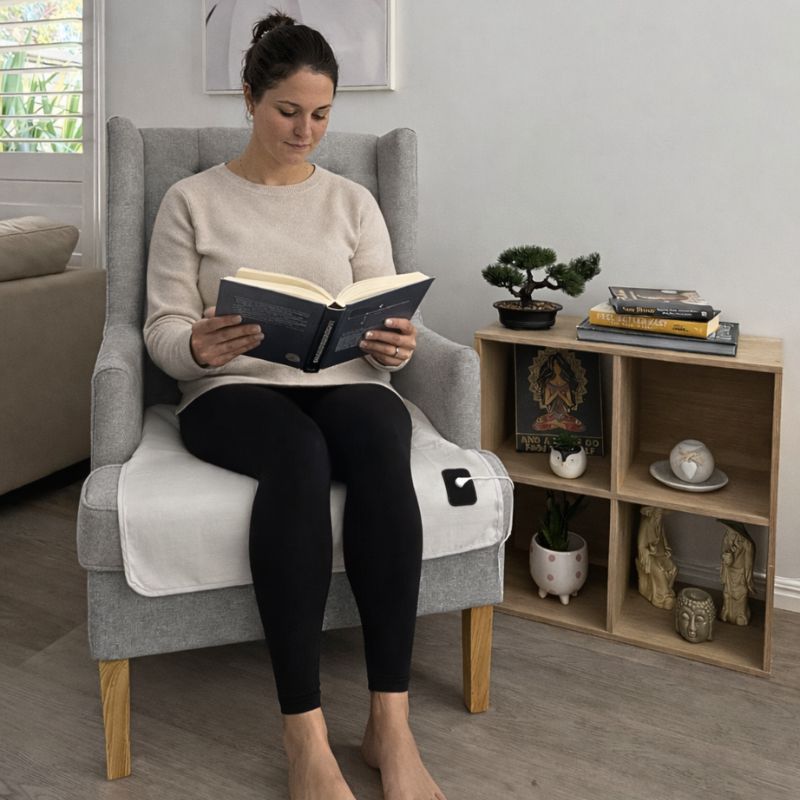
Indoors, a grounding sheet, underlay or mat can create that same electrical connection through the earth port of a properly grounded power outlet.
The important part is simple: grounding products do not use active electricity. They connect only to the earth connection in your outlet.
That means you can stay grounded while sleeping, relaxing on the couch or working at your desk.
So How Does a Grounding Product Actually Work?
Urban Hippee grounding products contain conductive materials such as silver thread or stainless-steel fibres.
A grounding cord connects the product to the earth port of your power outlet.
When your skin — or compatible bedding — is in contact with the conductive surface, your body becomes electrically connected to ground.
There is no electricity being powered through the product.
You’re simply using the earth connection already built into a properly installed power outlet.
That’s it.
Why Do People Use Grounding?
Grounding has been studied in relation to areas such as:
- sleep
- relaxation and stress
- recovery
- circulation
- inflammation
- everyday comfort
Many people simply say they feel more relaxed, sleep better or feel less stiff and sore when grounding regularly.
Everyone’s experience is different, which is why we recommend treating grounding as a simple wellness practice rather than expecting a particular result.
View grounding and earthing research on PubMed.
The Easiest Way to Ground While You Sleep
For most people, bedtime is the easiest time to use grounding because you’re already spending several hours in one place.
That’s where grounding sheets and underlays come in.
Premium Grounding Underlays
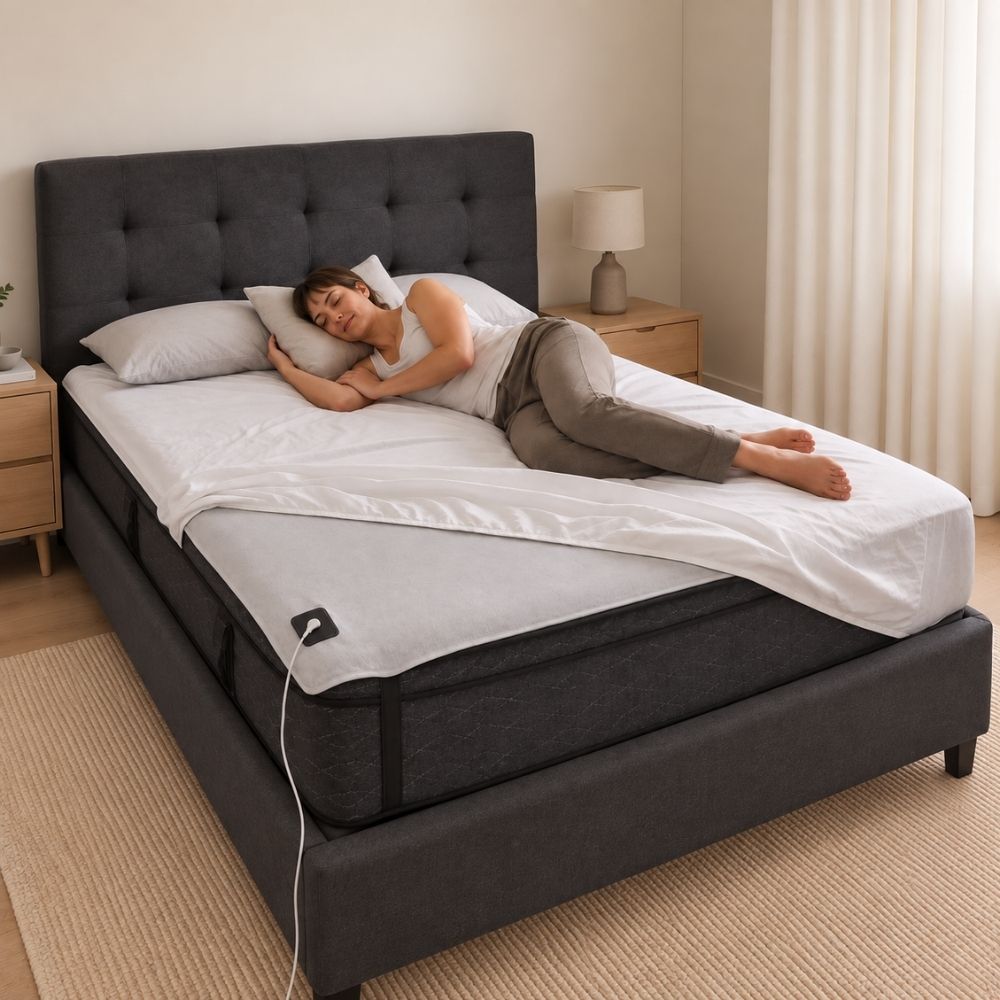
Our Premium Grounding Underlays sit underneath your normal fitted sheet.
You can keep your existing bedding and pyjamas, making them one of the easiest ways to ground throughout the night.
They’re made using conductive stainless-steel fibres and connect to the earth port of your outlet using the included grounding cord and adapter.
Best for:
People who want to keep their normal bedding and ground while sleeping.
Shop Premium Grounding Underlays
Grounding Fitted Sheets

Our grounding fitted sheets replace your normal fitted sheet.
They’re made from soft cotton woven with conductive silver thread.
Direct skin contact is recommended with this style of grounding sheet.
Best for:
People who want a traditional fitted sheet with the conductive material built directly into the fabric.
What About Grounding During the Day?
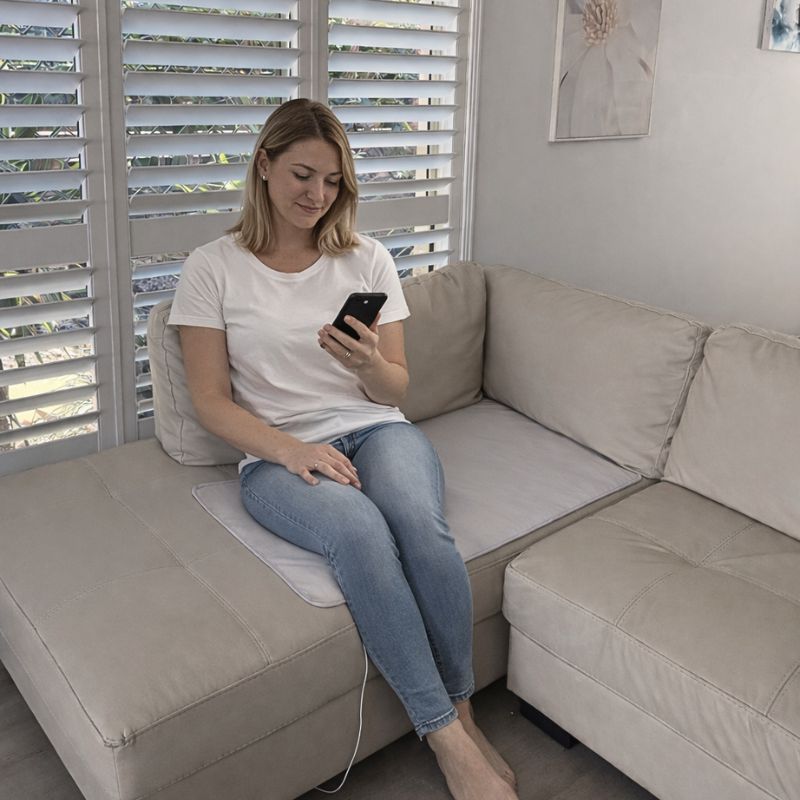
You don’t have to wait until bedtime.
A grounding mat gives you an easy way to ground while:
- working at your desk
- watching TV
- sitting on the couch
- reading
- relaxing at home
Simply place your bare feet or skin on the conductive surface while the mat is connected to the earth port.
Best for:
Anyone who wants a simple daytime grounding option.
Which Grounding Product Should I Choose?
It really comes down to how you want to use it.
Want to ground while sleeping but keep your normal sheets?
Choose a Premium Grounding Underlay.
Prefer a fitted sheet with conductive silver woven into it?
Choose a Grounding Fitted Sheet.
Want to ground while working, watching TV or relaxing?
Choose a Grounding Mat.
Many customers also use both — an underlay at night and a mat during the day.
Compare Our Grounding Products
Do Grounding Products Plug Into Electricity?
This is one of the most common questions we get.
No active electricity is used.
The grounding adapter connects only to the earth connection of a properly installed power outlet.
The power point does not need to be switched on.
Our grounding cords also contain a built-in 100kΩ safety resistor for added protection.
So although the product connects to your outlet, it is not being powered by household electricity.
How Can I Tell If It’s Actually Working?

A multimeter can be used to demonstrate the electrical difference between being grounded and ungrounded.
When used correctly, you’ll normally see your body-voltage reading change when you make contact with a grounded product.
This gives you a simple way to verify the electrical connection rather than relying on whether you can physically feel anything.
Learn How to Test Your Grounding Product
How Long Should You Ground For?
There is no universally established amount of time that everyone needs to ground.
Outdoors, some people may ground for short periods while walking or relaxing.
With a grounding sheet or underlay, you can simply stay connected while you sleep.
That makes nighttime grounding particularly convenient because it doesn’t require adding another activity to your day.
Plug it in, go to bed and use it as part of your normal sleep routine.
Can You Ground Without Buying Anything?

Absolutely.
Walking barefoot on grass, soil or sand is one of the simplest ways to experience grounding.
You can also:
- sit barefoot outside
- lie on the grass
- spend time at the beach
- garden with bare hands
Grounding products are simply designed to make that connection easier when you’re indoors.
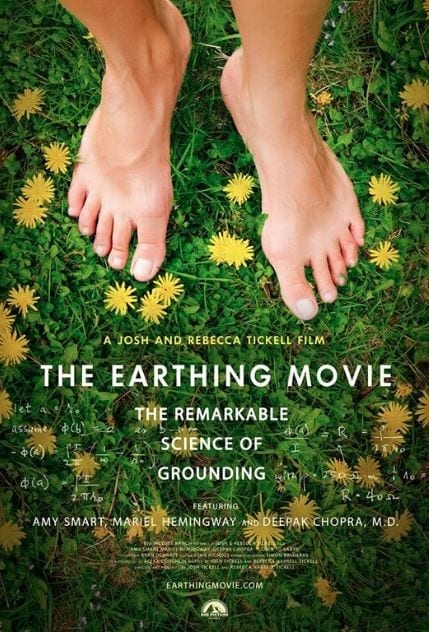
Watch The Earthing Movie
If you want to learn more about the history and ideas behind grounding, The Earthing Movie is a popular documentary covering the subject.
What Does the Research Say?
Grounding has been investigated in published research looking at sleep, stress, cortisol rhythms, circulation, recovery, inflammatory markers, discomfort and blood viscosity.
Research into grounding is much smaller than the evidence base for established medical treatments, so we think it’s best viewed as a simple wellness practice rather than a replacement for medical care.
You can explore published studies yourself here:
Search Grounding Studies on PubMed
Ready to Try Grounding?
You don’t need to change your whole routine.
If you spend most of the night in bed, a grounding underlay or fitted sheet lets you ground while you sleep.
If you’d rather start during the day, a grounding mat can sit under your feet while you work or relax.
And if you’re not sure whether grounding is for you, you’ve got 120 days to try it at home.
Use it, see how it feels, and if it’s not for you, simply send it back.