


If you’ve just set up grounding sheets (also called earthing sheets), the practical question that pops up first is simple: should they stay plugged in all the time? The short answer is yes. Grounding sheets are designed to remain connected continuously so the moment you make contact—lying down for a nap or turning in for the night—you’re grounded without doing anything else.
What “plugged in” actually means
“Plugged in” here doesn’t mean drawing power like a lamp. A grounding sheet connects only to the earth/ground path of a properly wired outlet (or to a grounding rod outside). That path gives your sheet a direct reference to Earth so your body can equalise with that potential when you touch the conductive fibres in the fabric. No switch. No current draw. No on/off workflow. It’s a passive connection that’s either established or not—so it makes sense to keep it established.
Why leaving it connected is the intended use
A grounding sheet is a set-and-forget tool. The value is consistency: every minute you’re in contact, you’re grounded. If you unplug between uses, you introduce friction (and realistically, you’ll forget sometimes). Leaving it connected means:
You’re grounded instantly when you lie down—no extra step.
You get long, uninterrupted windows of earthing (sleep is the easiest way to accumulate hours).
The setup remains stable; less wear and tear from repeatedly disconnecting cords.
Does a grounding sheet use electricity?
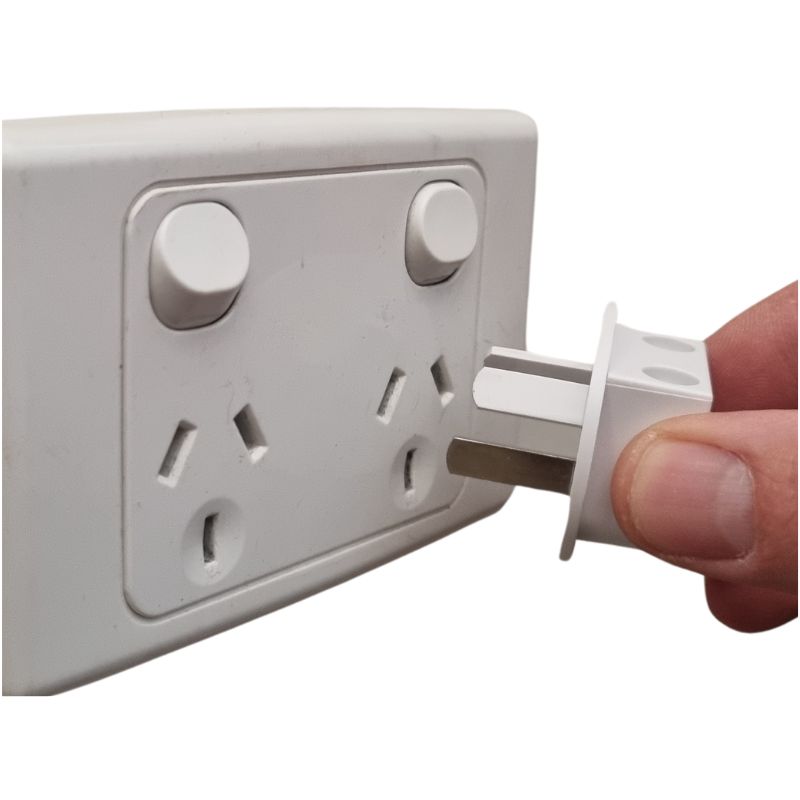
No. The ground port is not a power feed. It’s a safety path bonded to Earth. A grounding sheet simply shares that reference; it doesn’t consume energy and doesn’t add to your electricity bill.
Is it safe to remain plugged in 24/7?
Yes—this is exactly how these products are intended to be used. The sheet connects to the earth/ground path (the same pathway your appliance chassis uses for safety). There’s no active current travelling through the sheet. As long as your outlet is correctly wired and grounded, keeping the sheet connected is a normal, safe, and low-maintenance way to use earthing at home.
A quick safety checklist you can run once
Verify the outlet is grounded. Use a simple outlet tester or consult a licensed electrician if you’re unsure.
Use the supplied cord and adapter. They’re designed for reliable contact with the ground path.
Cable manage. Route the cord along the edge of the bed or base to avoid tripping or yanking.
Once you’ve done that initial check, you can leave it connected and forget about it.
Should you ever unplug a grounding sheet?
You can unplug for any of the practical reasons below, but you don’t need to for normal day-to-day use:
Washing or moving the sheet. Unplug, detach, wash per care label, reconnect when dry.
Trades or electrical work at home. If an electrician is working on your circuits, it’s reasonable to disconnect sensitive gear temporarily.
Travel. If you’re away for a while and want a tidy room, unplugging is fine; just reconnect on return.
Outside of these situations, there’s no benefit to repeatedly unplugging.
“Plugged in” vs “switched on”
It’s easy to conflate these ideas. Most household devices need power and a switch. A grounding sheet is different:
No power draw — it’s not an appliance.
No switch — if the cord is attached to a valid earth, it’s “on”.
Binary state — either connected (grounded) or disconnected (not grounded).
Because it’s a passive connection, keeping it in place is the simplest path to consistent earthing.
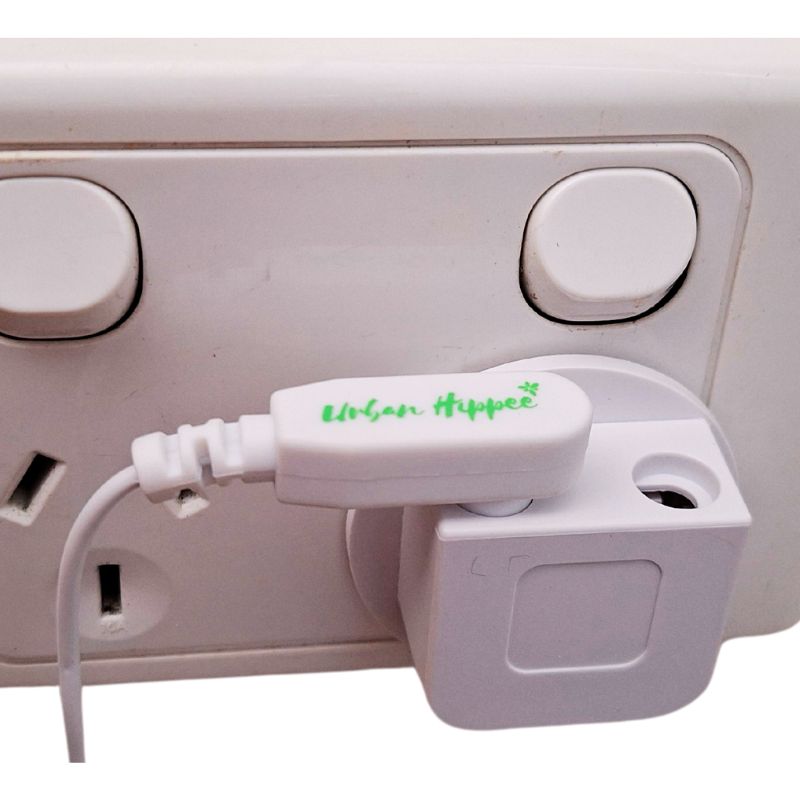
What about surge boards, power strips, or extension leads?
If the device you’re plugging into provides a continuous, true ground path, the sheet will work as intended. Quality surge boards typically preserve the ground line. If you’re unsure about an accessory, plug the grounding cord into a known-good grounded outlet or verify with an outlet tester. The goal is a clean, uninterrupted earth connection.
Will other bedding or mattress toppers affect the connection?
Your body must touch the conductive surface (directly or through thin, conductive-friendly fabric). Thick insulating layers placed between you and the sheet reduce or block contact. This isn’t about being plugged in or not; it’s about you touching the conductive fibres so that your body shares the ground reference that’s always available when the sheet stays connected.
Overnight use is where the hours add up
Grounding during the day is great, but sleep gives you the biggest block of effortless earthing time—often 6–8 hours. That’s why leaving your sheet plugged in makes so much sense: you don’t have to think about starting anything before bed. You’re grounded as soon as you slide under the covers.
Common misconceptions—cleared up
“If it’s plugged in, it must be using power.”
Not here. The ground path isn’t a power feed; there’s no energy consumption.“I’ll just connect it when I need it.”
You can, but you’ll forget sometimes and you’ll lose consistency. Staying connected removes friction.“Plugging into an outlet sounds risky.”
You’re connecting to the ground/earth path—the same protective pathway used in everyday electrical safety. With a properly grounded outlet, continuous connection is normal and safe.
Practical setup tips for a clean, always-connected install
Cord routing: Run the cord along the bed base, under a frame lip, or behind a bedside table to keep it out of the way.
Connector strain relief: Avoid sharp bends right at the sheet connector; a gentle loop prolongs connector life.
Test once, not daily: After the initial outlet/continuity check, there’s no daily ritual—leave it connected and enjoy.
Pet- and kid-friendly: If little hands or paws explore cords, add adhesive clips or a braided sleeve for protection and neatness.
The bottom line
Yes—leave grounding sheets plugged in all the time. That’s how they’re engineered to work. They don’t use electricity, they’re safe on a properly grounded outlet, and keeping them connected is the easiest way to ensure you’re actually grounded whenever you touch the sheet—especially during long, restorative sleep windows. Continuous connection is the simplest path to consistent earthing.