


Why People Are Drawn to Barefoot Grounding
Grounding sheets are often discovered after people first experiment with barefoot grounding. There’s something instinctively appealing about taking your shoes off and letting your feet touch the Earth. The simple act of walking barefoot on grass, soil, or sand can leave you feeling calmer and lighter. Many people are drawn to this practice because it costs nothing, requires no special equipment, and feels natural. Barefoot grounding is often the first step into learning about the concept of earthing and how it might support overall wellness.
But barefoot grounding also has obvious limits. Unless you live in an environment with clean, safe outdoor surfaces and a lifestyle that allows plenty of time outside, the practice ends up being occasional at best. For many people, especially those living in cities or working long indoor hours, the reality is that barefoot time is short and irregular.
The Challenge of Relying on Barefoot Grounding Alone
Barefoot contact with the ground only works when conditions are right. Concrete, asphalt, and indoor flooring don’t conduct energy, so walking barefoot in your kitchen won’t have the same effect as standing on damp grass. Rain, cold weather, or extreme heat can all make barefoot grounding uncomfortable or even unsafe. Parents may worry about hazards for their children, and older adults may have concerns about balance, stability, or infection risk from cuts and scratches.
Even for those with easy access to natural surfaces, consistency is the biggest barrier. A few minutes outdoors can be refreshing, but studies suggest that longer periods of grounding provide more noticeable benefits. That’s where grounding sheets offer a different level of opportunity.
How Grounding Sheets Work Differently

Grounding sheets, sometimes called earthing sheets, are designed to bring that outdoor connection indoors. They’re made with conductive fibres—often stainless steel or silver threads—woven into natural fabrics like cotton. When plugged into a grounded outlet, the sheet connects to the Earth’s electrical field.
Lying on a grounding sheet while sleeping creates hours of uninterrupted contact. Instead of relying on ten or fifteen barefoot minutes during the day, grounding sheets can provide six to eight hours of consistent connection every night. That extended duration is something barefoot grounding simply can’t deliver for most people.
Barefoot Grounding: Immediate but Limited
Walking barefoot has a unique sensory element. You feel the cool grass under your feet, the warmth of sand, or the texture of soil. This sensory experience adds an emotional layer of calm and helps you feel present. Many people describe barefoot grounding as an immediate reset, even if the time spent is short.
But the benefits tend to be temporary. Once you put your shoes back on and head indoors, the connection ends. Unless you structure your entire lifestyle around outdoor living, barefoot grounding ends up being a “snack” of earthing rather than a full “meal.” For those who want more consistent health improvements, the limitations of barefoot grounding become clear.
Grounding Sheets: Consistency While You Sleep
The main advantage grounding sheets have over barefoot grounding is time. Sleep offers an ideal window to restore the body, and adding earthing to this natural repair cycle may enhance it. Instead of trying to carve out thirty barefoot minutes during a busy day, grounding sheets provide hours of uninterrupted contact without any effort. You simply lie down as you normally would.
This consistency matters. People dealing with issues like poor sleep, inflammation, or chronic stress often need daily exposure to see meaningful change. A grounding sheet turns every night into a grounding session, ensuring no days are skipped because of weather, time, or access to outdoor space.
Comparing Benefits in Daily Life
Imagine two people: one walks barefoot outside for twenty minutes each day, and the other uses a grounding sheet at night. The barefoot walker enjoys a refreshing ritual and some stress relief. The sheet user, on the other hand, spends around fifty hours per week connected to the Earth without having to adjust their schedule.
That time difference is dramatic. While barefoot grounding offers moments of peace, grounding sheets become a long-term strategy that fits seamlessly into daily life. It’s not that barefoot grounding is ineffective—it’s simply too limited for many people who want reliable results.
When Barefoot Still Has the Advantage
It’s important to note that barefoot grounding offers something grounding sheets can’t replicate: nature itself. The sensory experience of sun on your skin, wind in your hair, and Earth under your feet creates a holistic effect. Being outdoors has additional benefits like increased vitamin D, exposure to natural light for circadian rhythm, and stress reduction from time in green spaces.
For that reason, grounding sheets are not a replacement for time outdoors. The best approach is to combine both. Enjoy the grounding and emotional reset of barefoot time outside whenever possible, and use grounding sheets to cover the hours when outdoor grounding isn’t realistic.
Safety, Comfort, and Accessibility
Grounding sheets also provide a safe way to stay connected for people who can’t comfortably or safely go barefoot outside. Older adults, those with mobility issues, or people living in dense urban areas can still experience grounding without exposure to hazards. There’s no risk of stepping on glass, dealing with pests, or slipping on wet grass.
Comfort plays a role too. Many people simply don’t enjoy walking barefoot on rough surfaces, and children may resist it. Grounding sheets take away those barriers and make earthing accessible to anyone with a bed and an outlet.
Long-Term Potential of Grounding Sheets
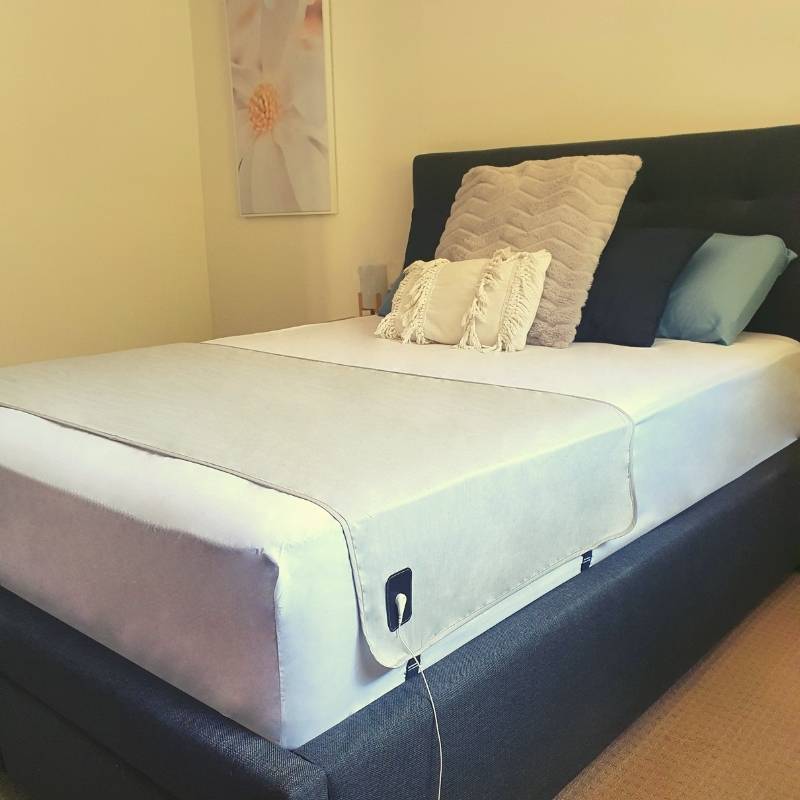
Because grounding sheets provide such consistent exposure, they’re often better suited for addressing long-term goals. Improved sleep quality, reduced morning stiffness, and calmer stress responses are often reported after weeks of nightly use. Barefoot grounding can be uplifting in the moment, but it doesn’t deliver the same cumulative effect without daily, extended practice.
Grounding sheets essentially integrate earthing into a routine you already have—sleep. Instead of remembering to walk barefoot outside, you simply go to bed as usual and let the sheet do the work. That ease of use is why grounding sheets are quickly becoming the go-to choice for people who want lasting benefits.
The Balanced Approach: Barefoot Plus Sheets
Choosing between barefoot grounding and grounding sheets doesn’t have to be an either/or decision. The two approaches complement each other perfectly. Spend time outside barefoot when you can—it’s enjoyable, natural, and deeply restorative. Then, rely on grounding sheets to maintain consistent connection throughout the night.
By combining both, you maximise the benefits of grounding while working around the realities of modern life. You get the sensory, emotional, and environmental perks of being outdoors, plus the steady, long-term exposure that only grounding sheets can deliver.
Barefoot vs. Grounding Sheets
Barefoot grounding will always be the most natural and intuitive way to connect with the Earth. But in today’s world, it’s not enough for most people to rely on barefoot practices alone. Grounding sheets offer the consistency, safety, and convenience needed to turn grounding into a daily habit that fits any lifestyle.
If you want the best of both worlds, spend a little time barefoot outdoors when you can, but let your grounding sheet carry the heavy load while you rest. That way, grounding becomes effortless and effective, no matter where you live or how you spend your days.
Learn more in this clinical study – Emotional Stress, Heart Rate Variability, Grounding, and Improved Autonomic Tone: Clinical Applications
For further reading, you may like: