


Electrical safety is a fundamental aspect of modern homes, and in Australia, strict regulations ensure that every home is properly earthed to prevent electrical hazards. Earthing and grounding are critical safety mechanisms that protect people and electrical appliances from power surges, faults, and stray electrical currents. In addition to their role in electrical safety, grounding sheets and earthing mats are widely used in health and wellness applications, providing potential benefits such as reduced inflammation and improved sleep.
This article explores how Australian homes are earthed for safety, how the electrical grounding system functions, and how an earthing plug safely connects to a grounding sheet or earthing mat to provide the benefits of earthing and grounding.
How Australian Homes Are Earthed for Electrical Safety
1. The Basics of Electrical Grounding
Electrical grounding is the process of connecting electrical systems and appliances to the earth to prevent excess voltage buildup and potential electric shocks. This is achieved through a dedicated grounding system, which safely redirects any fault current into the ground.
In Australia, electrical grounding is a legal requirement and is regulated by AS/NZS 3000, commonly referred to as the Wiring Rules. This standard mandates that all residential and commercial properties have a proper grounding system in place to reduce the risk of electrocution and electrical fires.
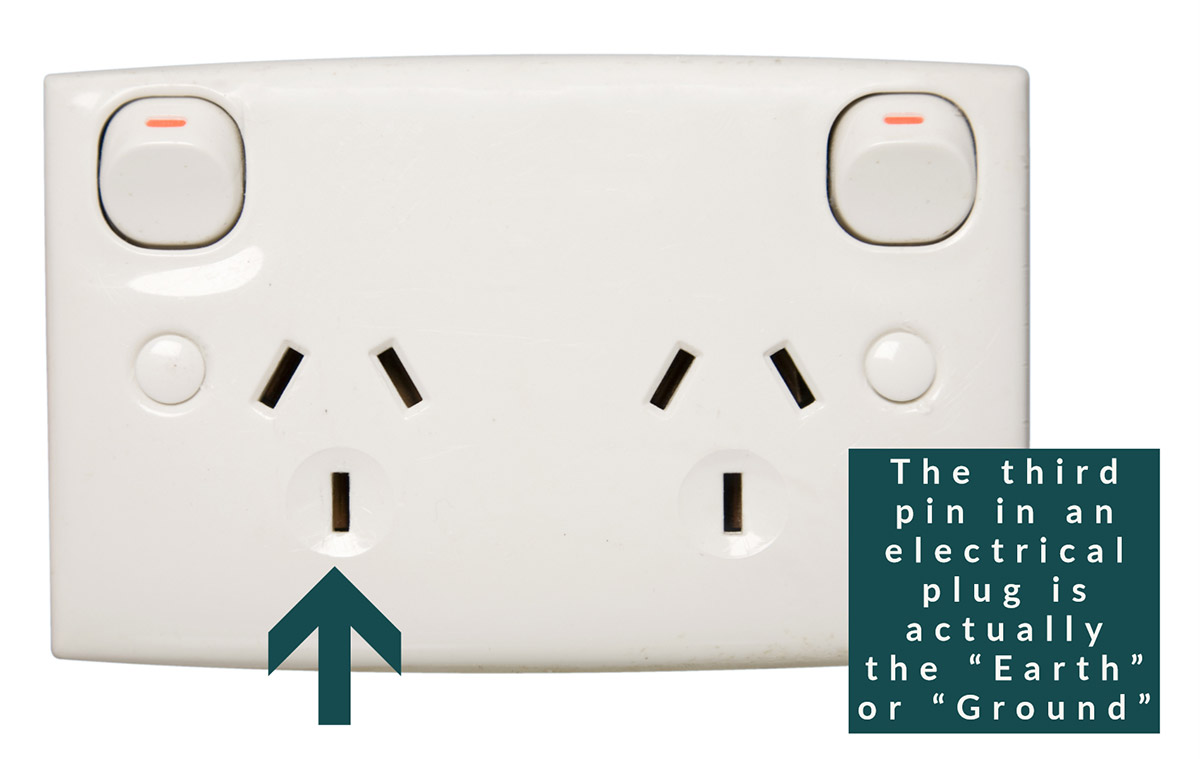
All homes by Australian law must have an earthing system installed. In some homes, you may see the top of a copper rod sticking out of the ground, which is embedded 1.5m – 3m deep. This is what the bottom port of the power point connects to, ensuring that electrical faults are safely redirected into the earth and how grounding products such as earthing sheets and mats establish a safe connection.
2. Grounding in Residential Homes
In a typical Australian home, the electrical system consists of an active (live) wire, a neutral wire, and a grounding wire. The active wire carries electricity from the power source, the neutral wire completes the circuit, and the grounding wire provides a safety path for excess current.
Key components of the home grounding system include:
Earth Stake (Ground Rod): A metal rod, typically copper or galvanized steel, driven into the ground outside the home.
Main Grounding Terminal (MGT): The central connection point for all grounding conductors in the house.
Ground Wires: These run throughout the home, connecting power points, appliances, and electrical circuits to the MGT.
Residual Current Devices (RCDs): Also known as safety switches, RCDs quickly disconnect power if a fault is detected, further enhancing safety.
3. The Role of the Earth Stake
The earth stake is an essential part of the home’s electrical system. When an electrical fault occurs, such as a short circuit or insulation failure, the excess current flows through the grounding wire and into the stake, which safely disperses it into the ground. This prevents metal appliances and fixtures from becoming live and posing an electrocution risk.
How an Earthing Plug Safely Connects to a Grounding Sheet or Earthing Mat
1. What Is an Earthing Plug?
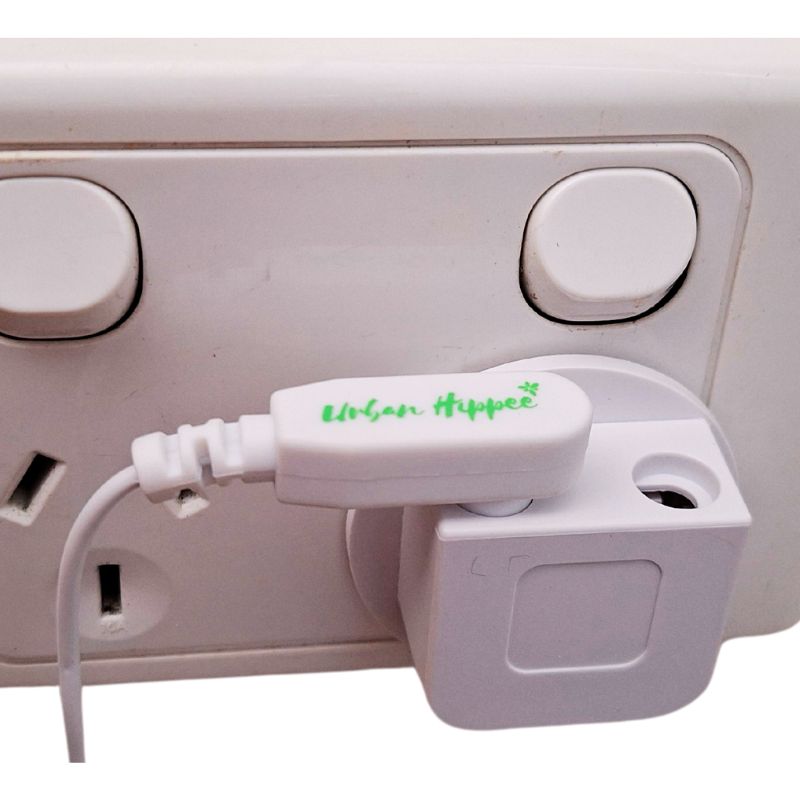
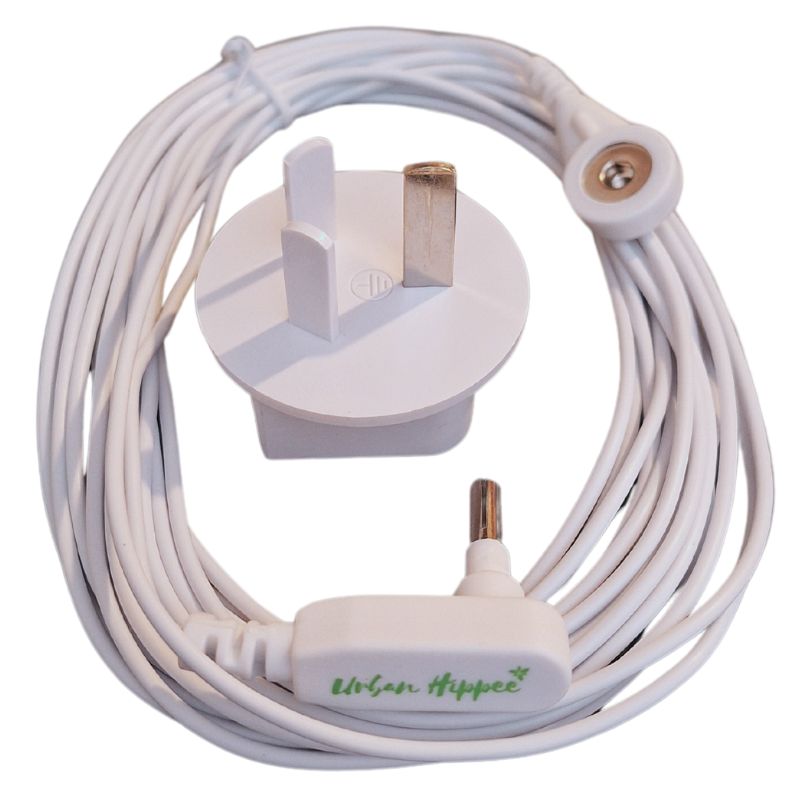
An earthing plug is a specially designed device that allows individuals to connect grounding products, such as grounding sheets and earthing mats, to the existing electrical grounding system in a home. Unlike standard power plugs, an earthing plug does not carry electrical current but instead provides a direct connection to the grounding wire of the home’s electrical system.
Additionally, grounding adapters used for grounding sheets and mats include a 98kΩ resistor for extra safety. This resistor helps regulate the connection, ensuring that any electricity is safely dissipated without allowing unnecessary electrical current.
2. How Does the Grounding/Earthing Plug Work?
When a grounding sheet or earthing mat is plugged into a properly grounded power outlet using an earthing plug, it establishes a conductive connection to the home’s grounding system. Here’s how the process works:
Plugging the Earthing Plug Into a Power Point:
The earthing plug is inserted into a standard Australian power outlet. The plug only connects to the grounding pin, leaving the active and neutral pins unconnected.
Connection to the Home’s Grounding System:
The grounding pin of the power point is already connected to the home’s main grounding terminal (MGT), which is linked to the earth stake in the ground.
Connecting the Grounding Product:
A grounding sheet or earthing mat is equipped with a conductive wire that connects to the earthing plug. This wire allows electrons from the Earth’s surface to flow through the home’s electrical system and onto the sheet or mat.
How Grounding Works on a Biological Level:
Grounding doesn’t involve electricity flowing into an earthing sheet or mat like a typical electrical current. Instead, it creates a pathway for the Earth’s free electrons to flow into the grounding product. When connected to a grounded power point, the sheet or mat allows the natural electrons from the Earth’s surface to balance the electrical charge in the body, promoting a state of grounding.
Why the 98kΩ Resistor Adds Safety:
The built-in 98kΩ resistor ensures that any static charge is safely dissipated while preventing any unintentional flow of electrical current. This further enhances the safety of grounding products when used indoors.

Why Grounding Sheets and Earthing Mats Are Safe During Electrical Faults or Lightning Strikes
Electrical faults or lightning strikes do not pose a risk when using grounding sheets or earthing mats because they do not conduct active electrical current. The grounding system in Australian homes is designed to safely redirect any excess electrical energy into the earth through the ground rod.
No Active Current Flow: Grounding sheets and mats do not carry electricity; they only provide a conductive pathway to the Earth’s electrons. Unlike electrical appliances, they do not pull power from the outlet, ensuring there is no risk of shock.
Safe Discharge Through the Earthing System: If an electrical fault occurs, the home’s protective grounding system immediately redirects excess current to the earth, preventing any impact on grounding sheets or mats.
Built-in 98kΩ Resistor Acting as a Safety Fuse: The grounding adapters used with grounding sheets and mats include a 98kΩ resistor, which acts as a safety fuse. This resistor limits the amount of current that can pass through, ensuring that only a small, safe trickle of electrons reaches the grounding sheet or mat. In the event of a power surge or unexpected electrical fault, the resistor effectively blocks excess electricity from flowing through the grounding product, preventing any risk of shock or damage.
Lightning Strike Safety: During a lightning strike, the home’s earthing system absorbs and disperses the energy safely. The risk of lightning affecting indoor grounding products is extremely low. However, if concerned, simply unplug grounding sheets and earthing mats during storms as an added precaution.
If still concerned, simply unplug the grounding sheets or earthing mat during storms as an added safety measure.
In Australia, all homes are grounded for safety reasons, ensuring that excess electrical currents are safely dissipated into the ground. This crucial system protects residents from electrical hazards and provides a reliable way to connect grounding products for health and wellness benefits.
Earthing plugs offer a safe, efficient way to access the Earth’s natural energy indoors. By simply plugging into an earthed power outlet, grounding sheets and earthing mats can help people experience potential benefits such as reduced inflammation, improved sleep, and enhanced overall well-being—all while maintaining full compliance with Australian electrical safety standards.
For more details on electrical grounding and how it affects your home’s safety, check out this guide from GSES.
Related Blogs You Might Like
👉 Grounding Sheets Compared: Stainless Steel vs Silver vs Mats