


If you sleep hot — tossing the blanket off, waking up sweaty, or flipping your pillow to the cool side — then you know how frustrating it can be to get a proper night’s rest. Add grounding or earthing sheets or mats to the mix, and the heat issues can sometimes feel worse before they feel better.
We often hear things like:
“I love the deep sleep I get with grounding, but I’m overheating at night!”
“Do earthing sheets trap heat?”
“Is there a cooler option that still lets me stay grounded?”
Let’s unpack that. Grounding is still very doable (and beneficial) for hot sleepers — it just depends on the material and how you use it.
In this post, we’ll cover:
Why some earthing products feel warmer than others
Whether grounding can help regulate body temperature
The best options for hot sleepers
Setup tips to stay cool and grounded at the same time
Why Do Some People Overheat on Grounding and Earthing Products?
If you tend to sleep hot, anything with poor breathability can make it worse. That includes mattresses, foam toppers, heavy doonas — and yes, certain types of earthing gear.
The biggest reason some people feel hot on grounding mats is simple: lack of airflow.
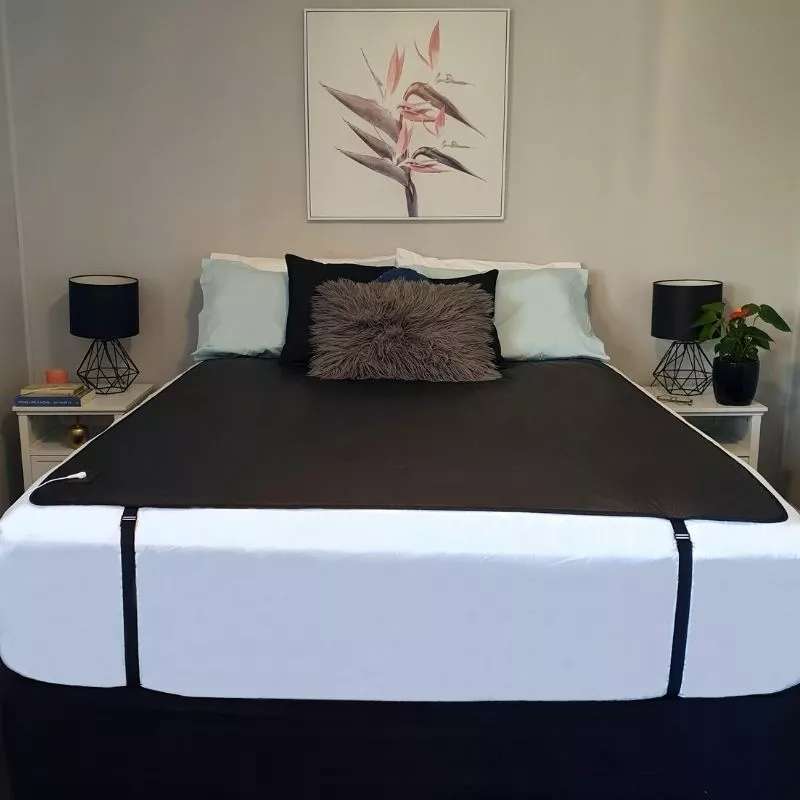
Materials like carbon leatherette or synthetic rubber, commonly used in earthing mats, don’t allow the body to breathe. They may trap body heat, especially if you sleep without a top sheet or live in a warm climate. While these mats aren’t producing heat, they can reflect or hold on to your body warmth.
This is exactly why we don’t recommend our Premium Bed Mats for hot sleepers. They’re durable and effective, but they don’t breathe as well as our cotton options.
Can Grounding and Earthing Help Regulate Body Temperature?
Interestingly, grounding doesn’t just affect your sleep — it can influence how your body handles heat.
By connecting to the Earth’s natural electric charge, grounding supports nervous system regulation and reduces stress-related cortisol spikes. When your body is more relaxed, it manages inflammation and heat more effectively.
There’s even emerging research suggesting grounding may help with thermoregulation by reducing sympathetic nervous system dominance — the same “fight or flight” mode responsible for night sweats and restlessness. You can read more about that here in a pilot study on blood flow and inflammation.
So yes — grounding can help reduce the cause of overheating, but only if your gear isn’t trapping heat. It’s also worth noting that grounding can increase blood flow, which for some people may result in a slight sensation of warmth, especially during the initial adjustment period. This improved circulation is a good thing — it supports healing and recovery — but it can feel like extra warmth for those already sensitive to heat. Importantly, grounding itself does not trap heat. However, certain materials — like carbon leatherette used in some bed mats — can reduce airflow and contribute to that feeling for some sleepers.
Best Urban Hippee Grounding and Earthing Options for Hot Sleepers
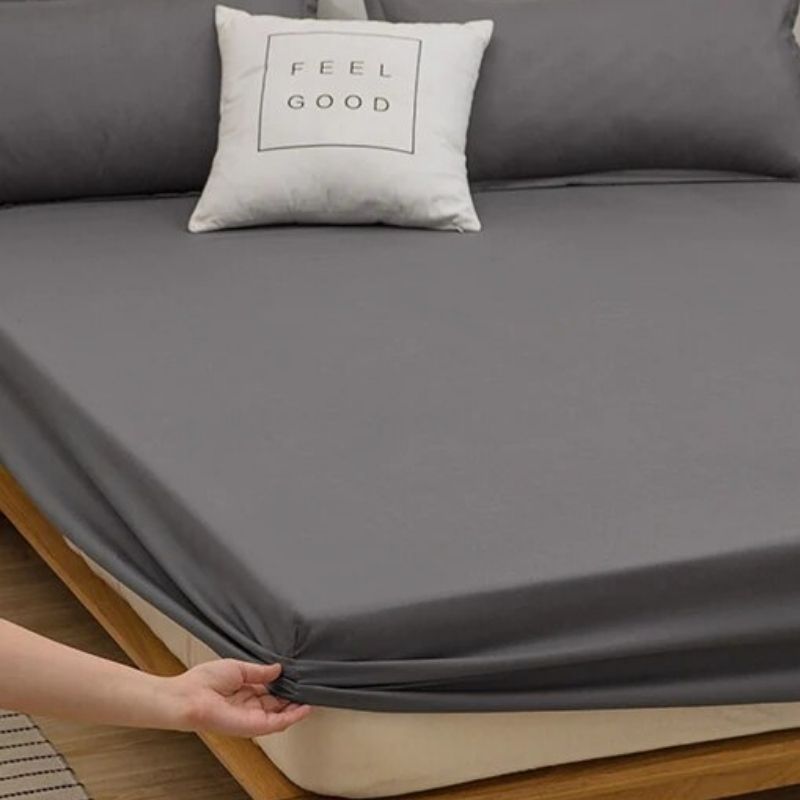
Fitted Cotton Grounding Sheets
Our Fitted Cotton Grounding Sheet range is the top recommendation for hot sleepers.
They look and feel like normal fitted bed sheets, but they’re infused with conductive silver fibers to keep you grounded while still being lightweight and breathable.
Why they’re ideal for hot sleepers:
Breathes like regular bedding
No synthetic surface materials
Easy to wash and long-lasting
Lets moisture and heat escape naturally
These sheets work with or without another sheet over the top. If you’re especially heat-sensitive, you can sleep directly on the grounding sheet with a light blanket or top sheet. Still grounded, still cool.
Sizes available: King, Queen, and Double.
Premium Grounding Underlay Sheets
If you don’t want to swap out your current bedding, the Premium Underlay Sheet gives you all the benefits of earthing while staying completely hidden under your fitted sheet.
It’s made with a soft cotton blend and stitched with 30% medical-grade stainless steel, offering a breathable but effective grounding option.
Why hot sleepers love it:d
You can use your own cooling sheets on top
No contact with warmer synthetic materials
Easy to clean and maintain
Keeps your bed’s comfort and airflow intact
This setup works especially well if you already use bamboo, linen, or lightweight cotton sheets.

Single Size Underlay for the Bottom Half
Not everyone needs full-body contact to ground effectively. A great option for hot sleepers is to use a single-sized underlay just at the base of your bed, keeping only your legs and feet grounded.
Why it’s a smart move:
Leaves your torso and back uncovered
Reduces body heat buildup
Still gives you grounding benefits
Works well with light or minimal bedding
If you tend to overheat through your upper body, this setup keeps you grounded without feeling smothered or sweaty.

What to Avoid If You Sleep Hot
Certain materials just won’t cut it for hot sleepers — even if they work well for others.
Here’s what we don’t recommend:
Carbon or leatherette grounding mats (too warm for most)
Memory foam toppers or mattress pads
Full-body contact setups with thick blankets
Multi-layered bedding that holds heat
Also, grounding on top of synthetic materials or waterproof covers can limit both breathability and conductivity. Keep your bedding natural if possible.

Tips to Stay Cool and Grounded at the Same Time
A few small tweaks can make a big difference:
Use lightweight, breathable sheets — bamboo, cotton, or linen
Keep your room temperature under control with a fan or open window
Sleep with feet or legs grounded if full-body is too warm
Wash your grounding sheet regularly to maintain conductivity
Avoid heat-trapping mattress toppers
Related Reads
Grounding and Earthing While Wearing Pyjamas: Yes, It Still Works
How Long Does It Take to Notice the Effects of Grounding and Earthing?
If you’re a hot sleeper, you don’t need to give up on grounding. You just need the right setup. Breathable materials like cotton make a massive difference, and grounding doesn’t have to involve full-body contact.
Try a fitted cotton grounding sheet, a premium underlay, or even a single-size option at the bottom of your bed. Skip the grounding mats if you run hot — they’re better suited for cooler sleepers or daytime use.
The key is staying comfortable and grounded. Because when you nail both? That’s when the real sleep magic happens.