


Grounding sheets are one of the easiest ways to bring the benefits of earthing into your daily life, especially while you sleep. They’re designed to conduct the Earth’s natural energy through special fibres woven into the fabric, creating the same connection you’d get from walking barefoot on the ground.
But a common question comes up from long-time users: “Will my grounding sheet stop working over time?”
The honest answer is yes — grounding sheets can gradually lose effectiveness. This doesn’t happen overnight, but wear, washing, and exposure to sweat and oils will eventually reduce conductivity. The good news is that proper care can extend their life significantly.
This article explains why grounding sheets wear out, how long you can expect them to last, and what you can do to get the maximum lifespan from your investment.
Why Grounding Sheets Lose Effectiveness
Grounding sheets work by using conductive materials such as silver or stainless-steel fibres woven into the fabric. These threads create a pathway for your body to connect with the Earth’s energy when plugged into a grounded outlet or grounding rod.
Over time, however, those conductive fibres don’t remain in perfect condition. Just like any material, they’re subject to wear, corrosion, and build-up from regular use.
The most common causes of reduced effectiveness include:
-
Sweat and body oils: natural skin oils and perspiration coat the fibres, reducing conductivity.
-
Detergent residue: harsh detergents or fabric softeners leave insulating films that block electron flow.
-
Chemical damage: bleach and whitening agents degrade conductive threads.
-
Mechanical wear: frequent washing and abrasion from movement break down fibres.
-
General ageing: after years of nightly use, fabric thins and conductivity naturally drops.
It’s not that the sheet “stops working” all at once, but the efficiency of the connection gradually diminishes.
The Role of Sweat and Body Oils
Every night, your body comes into contact with the sheet, transferring sweat, sebum, and skin cells. Over time, these substances seep into the fibres. On normal cotton sheets, this is just a hygiene issue. On grounding sheets, it’s more serious because the build-up can form a barrier between your skin and the conductive fibres.
When the fibres are coated, electron flow weakens, and grounding effectiveness drops. This is why consistent washing with the right detergent is vital — it clears out the oils without damaging the conductive threads.
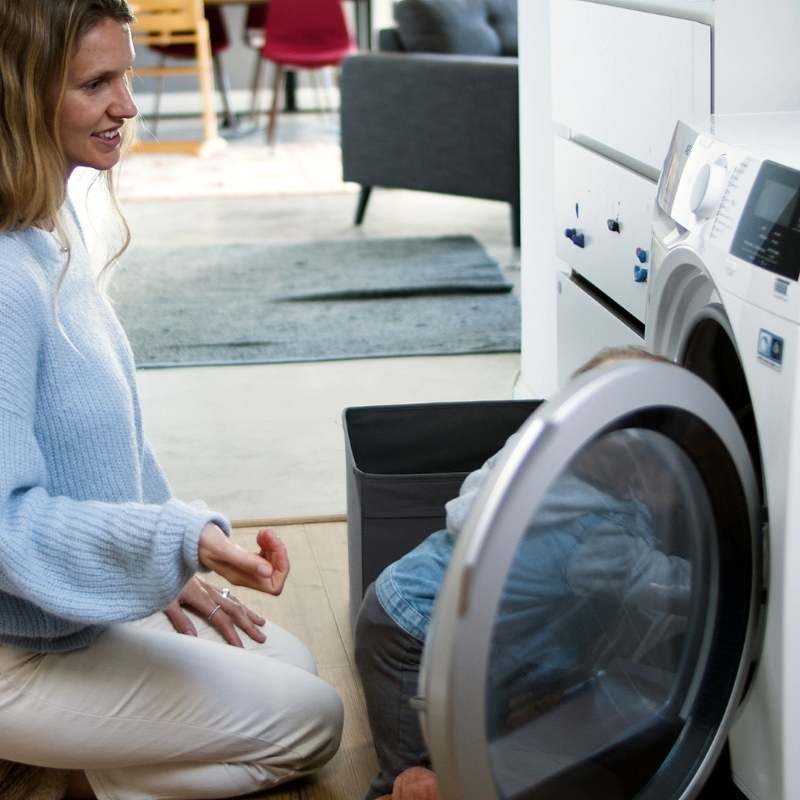
Washing and Care: The Biggest Factor
The single biggest influence on how long a grounding sheet lasts is how it’s washed. Customers often shorten the lifespan of their sheets without realising it, simply by using unsuitable laundry practices.
Best Washing Practices
-
Detergent: use a mild liquid detergent free of bleach, fabric softeners, and whiteners.
-
Water temperature: stick to cold or warm water. Hot water accelerates fibre breakdown.
-
Cycle type: gentle or delicate cycle is best. Harsh agitation weakens threads.
-
Frequency: wash every 1–2 weeks to remove oils, but avoid overwashing unnecessarily. The underlay sheets can be washed every 3-4 months as it is always protected by a bed sheet on top.
Best Drying Practices
-
Air drying: ideal, as it avoids heat damage altogether.
-
Tumble drying: if necessary, use the lowest heat setting and remove promptly.
Following these steps can easily add a year or more to the lifespan of your sheet.
The Problem of Detergent Residue
Even when using safe detergents, residue can build up over time. Many modern detergents are designed to coat fabrics with softening or fragrance agents. While this makes clothes feel nice, it can insulate conductive fibres.
To prevent this:
-
Use minimal detergent amounts.
-
Run an extra rinse occasionally.
-
Avoid any “2-in-1” detergent and softener products.
A clean fibre is a conductive fibre — and conductivity is everything.
How Long Do Grounding Sheets Last?
On average, grounding sheets last 2 to 4 years, depending on the type and how well they are maintained. Some last longer with excellent care, while others wear out faster under heavy use or poor washing habits.
The lifespan also varies between materials:
-
Silver fibre sheets: very conductive but more delicate, usually last 3 years.
-
Stainless steel fibre sheets: less prone to corrosion, typically longer lasting upto 4 years.
In either case, expect gradual decline rather than sudden failure.
Lifespan: Underlays vs Fitted Grounding Sheets
Not all grounding sheets are exposed to the same conditions. The product design has a big influence on durability.
-
Stainless steel grounding underlays: usually last around 4 years. Since they sit beneath your regular cotton sheet, they’re protected from sweat, oils, and friction. They don’t need to be washed as often, which preserves the fibres.
-
Fitted cotton & silver grounding sheets: generally last about 3 years. Because they are in direct contact with your body every night, they absorb more oils and require frequent washing. This extra strain reduces their longevity.
If durability is your main concern, underlays are the sturdier choice. If you prefer direct contact and a simple setup, fitted sheets are excellent but may need replacing sooner.
Signs Your Sheet Is Wearing Out
It’s not always obvious when a grounding sheet is losing effectiveness. Some subtle signs include:
-
Feeling fewer benefits than when the sheet was new.
-
Fabric becoming thin, rough, or worn.
-
Stains or discolouration from sweat that no longer wash out.
-
A test with a multimeter showing weak or no conductivity.
Because results can be subjective, using a tester is the best way to confirm conductivity.
How to Test Your Grounding Sheet

Testing your sheet is simple with a continuity tester or multimeter. These devices check whether the fibres are still conducting electricity from the outlet to the sheet surface.
A working sheet will show continuity between the plug and the sheet fabric. If conductivity is weak or absent, it may be time for a replacement. Regular testing gives peace of mind and avoids guesswork. See testing turtorial here.
Factors That Shorten Lifespan
Some habits dramatically reduce how long a grounding sheet lasts:
-
Washing in hot water.
-
Using bleach, whiteners, or fabric softener.
-
Frequent tumble drying on high heat.
-
Rarely washing, leading to oil build-up.
-
Rough handling and constant abrasion.
Avoiding these pitfalls is the difference between a sheet lasting 3 years versus 1 year.
Stainless Steel vs Silver Fibre
Both silver and stainless steel can be used in grounding sheets, and each has pros and cons:
-
Silver: highly conductive and soft to the touch, but degrades more quickly from washing and exposure to sweat.
-
Stainless steel: stronger and longer-lasting, though sometimes slightly rougher.
Your choice depends on whether you value softness or durability more.
Tips to Extend the Life of Your Sheet
-
Wash every 1–2 weeks to prevent oil build-up.
-
Stick to natural, liquid detergents.
-
Air dry whenever possible.
-
Shower before bed to reduce oil transfer.
-
Keep food, lotions, and pets off the sheet to avoid unnecessary staining.
-
Store in a cool, dry place when not in use.
These small habits add up to big differences in lifespan.
When to Replace
Even with perfect care, grounding sheets don’t last indefinitely. At some point, conductivity declines to the point where replacement is the only solution. Think of them like running shoes — they perform wonderfully for years, but eventually wear down no matter how well you treat them.
If testing shows weak conductivity or you simply notice your sheet isn’t providing the same results, it’s time for a new one.
-
Grounding sheets lose effectiveness gradually, not suddenly.
-
Sweat, oils, and detergent build-up are the main culprits.
-
Underlays last about 4 years, fitted cotton sheets about 3 years.
-
Proper washing and drying practices extend lifespan.
-
Testing with a multimeter is the most reliable way to check conductivity.
Related Blogs
For more detailed guides on choosing, testing, and caring for your grounding products, check out these articles:
Read more in this study – Earthing: Health Implications of Reconnecting the Human Body to the Earth′s Surface Electrons.